

Sterling Silver vs. Stainless Steel: Which Is Better for Jewelry Making?
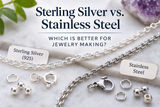
Sterling Silver vs. Stainless Steel: Which Is Better for Jewelry Making?
When choosing materials for jewelry making, two of the most popular options are sterling silver and stainless steel. Both are widely used for chains, clasps, beads, and jewelry findings, but they offer different advantages in terms of durability, appearance, maintenance, and cost.
Whether you're an independent jewelry designer, a small craft business, or simply creating handmade accessories, understanding these differences can help you select the right materials for your projects.
In this guide, we'll compare sterling silver and stainless steel, explain their key characteristics, and help you decide which material best suits your jewelry-making needs.
What Is Sterling Silver?
Sterling silver, often identified by the marking 925, is a precious metal alloy containing 92.5% pure silver and 7.5% other metals, typically copper.
Because pure silver is relatively soft, combining it with other metals improves its strength and makes it more suitable for jewelry making.
Sterling silver is widely used in fine jewelry, particularly for necklaces, bracelets, earrings, and decorative components.
At Fine Gems Canada, you can explore our selection of 925 sterling silver jewelry findings, including components for a variety of handmade designs.
Advantages of Sterling Silver
- Precious metal value: Contains genuine silver, making it suitable for premium jewelry collections.
- Beautiful appearance: Offers a naturally bright, elegant silver finish.
- Workability: Easier to shape, bend, and solder than most stainless steel alloys.
- Restorable finish: Surface tarnish can generally be removed with proper polishing.
- Versatility: Available in many styles of chains, clasps, beads, and findings.
Disadvantages of Sterling Silver
- Generally more expensive than stainless steel.
- Can tarnish over time.
- Requires occasional cleaning and polishing.
- More susceptible to scratching and bending.
What Is Stainless Steel?
Stainless steel is an iron-based alloy containing chromium, which creates a protective surface layer that helps resist corrosion and rust.
Common stainless steel grades used in jewelry making include 304 and 316L. Their compositions and properties vary, but both are known for their durability and corrosion resistance.
Stainless steel is particularly popular for everyday jewelry, including chains, bracelets, earrings, clasps, jump rings, and spacer beads.
For jewelry makers seeking practical, long-lasting components, our stainless steel jewelry findings offer a wide range of options for different designs.
Advantages of Stainless Steel
- Durability: Generally harder and more resistant to scratches than sterling silver.
- Tarnish resistance: Highly resistant to everyday discoloration and corrosion.
- Low maintenance: Usually requires only occasional cleaning.
- Affordability: Generally costs less than sterling silver.
- Versatility: Available in natural silver-tone finishes and coated gold-tone options.
Disadvantages of Stainless Steel
- Does not have the intrinsic precious-metal value of sterling silver.
- Harder to bend, resize, or solder with traditional jewelry-making techniques.
- Some grades contain nickel, which may be a consideration for sensitive individuals.
- Deep scratches may be more difficult to polish out.
Sterling Silver vs. Stainless Steel: Comparison Chart
| Feature | Sterling Silver (925) | Stainless Steel |
|---|---|---|
| Composition | 92.5% silver alloy | Iron-based chromium alloy |
| Durability | Moderate | Generally higher |
| Tarnish Resistance | Can tarnish | Highly resistant |
| Maintenance | Occasional polishing | Minimal |
| Price | Generally higher | Generally lower |
| Precious Metal | Yes | No |
| Workability | Easier to shape and solder | More difficult to shape and solder |
| Everyday Wear | Good with proper care | Excellent |
| Best For | Fine and premium jewelry | Durable everyday jewelry |
Does Sterling Silver Tarnish Faster Than Stainless Steel?
Yes. Tarnish resistance is one of the biggest differences between these materials.
Sterling silver can develop a darker surface when it reacts with sulfur-containing substances in the environment. This is a natural characteristic of silver and does not mean the material is defective.
Fortunately, most surface tarnish can be removed using appropriate silver-polishing products.
Stainless steel contains chromium, which forms a protective oxide layer on the surface. This makes it highly resistant to corrosion and everyday tarnishing.
For jewelry intended for frequent wear with minimal maintenance, stainless steel often has a practical advantage.
Which Material Is Better for Sensitive Skin?
Both materials can be suitable for jewelry making, but their specific compositions matter.
Sterling silver typically contains copper as its primary additional metal. However, some formulations may contain other elements.
Stainless steel may contain nickel, including common grades such as 304 and 316L. Although certain stainless steel alloys release relatively little nickel under normal conditions, this does not guarantee suitability for everyone with a nickel allergy.
For customers with sensitive skin, it is important to consider the specific alloy and any applicable nickel-release testing rather than assuming all sterling silver or stainless steel products are hypoallergenic.
Which Is Better for Jewelry Chains?
Both sterling silver and stainless steel are excellent options for necklace and bracelet chains, but the choice depends on the intended design.
Sterling Silver Chains
Sterling silver chains are particularly suitable for premium jewelry collections, delicate necklaces, and designs featuring precious gemstones.
Their natural silver finish and precious-metal composition make them a popular choice among jewelry designers creating higher-end pieces.
Explore our sterling silver chains for your next jewelry-making project.
Stainless Steel Chains
Stainless steel chains are well suited to everyday jewelry because of their strength, affordability, and resistance to tarnishing.
They are particularly practical for jewelry businesses producing larger quantities of necklaces and bracelets.
Fine Gems Canada offers a selection of stainless steel chains in different styles and finishes.
What About Gold-Plated Stainless Steel?
Gold-tone stainless steel has become increasingly popular among jewelry makers who want the appearance of gold without the cost of solid gold components.
One method used to create durable decorative finishes is Physical Vapor Deposition (PVD).
PVD is a coating process that deposits a thin layer of material onto a surface under controlled conditions.
At Fine Gems Canada, our gold and rose gold plated stainless steel components use PVD coating technology.
Depending on the coating composition and application process, PVD finishes can offer good resistance to wear and discoloration.
However, no decorative coating is completely permanent. Its longevity depends on the coating quality, thickness, exposure to chemicals, and everyday use.
For jewelry makers looking for gold-tone chains, clasps, beads, and other components, PVD-coated stainless steel can offer a practical balance between appearance, durability, and affordability.
Which Material Is Better for Bracelets?
When making bracelets, both sterling silver and stainless steel have advantages.
Choose Sterling Silver When:
- Creating premium or fine jewelry collections.
- Working with precious gemstones.
- Customers specifically request 925 sterling silver.
- Using components that require traditional shaping or soldering.
Choose Stainless Steel When:
- Creating durable everyday bracelets.
- Producing jewelry in larger quantities.
- Prioritizing affordability and tarnish resistance.
- Making designs with gold-tone PVD-coated components.
- Looking for low-maintenance jewelry findings.
For bracelet makers, stainless steel spacer beads and findings can be particularly useful because they offer durability while helping control material costs.
Browse our stainless steel beads and spacers for additional design options.
Can You Mix Sterling Silver and Stainless Steel?
Yes. Sterling silver and stainless steel can be combined in many jewelry-making projects.
For example, a jewelry designer might use sterling silver decorative components with stainless steel chains or clasps to balance appearance, durability, and cost.
However, the two materials can differ slightly in colour, shine, and surface finish.
Before assembling a finished piece, compare the components under natural lighting to ensure the combination achieves the desired appearance.
Is Stainless Steel Cheaper Than Sterling Silver?
Generally, yes.
Sterling silver contains a substantial amount of precious metal, so its cost is influenced by the market price of silver.
Stainless steel is made from more widely available industrial metals and generally has a lower raw material cost.
For jewelry makers producing larger quantities, this difference can significantly affect material expenses.
However, the final cost of any component also depends on its size, design, manufacturing process, coating, and quality.
Where to Buy Sterling Silver and Stainless Steel Jewelry-Making Supplies in Canada
Choosing reliable materials is an important part of creating quality handmade jewelry.
Since 1994, Fine Gems Canada has supplied jewelry-making materials to designers, craft businesses, and jewelry makers.
Our online store offers a wide selection of gemstone beads, chains, clasps, findings, and other jewelry-making components.
Whether you're creating a single handmade piece or purchasing supplies for ongoing production, we offer a broad selection of materials to support your projects.
Explore Jewelry-Making Supplies at Fine Gems Canada
Find the materials you need for your next jewelry-making project.
Frequently Asked Questions
Is stainless steel better than sterling silver?
Stainless steel generally offers better scratch resistance, tarnish resistance, and affordability. Sterling silver offers precious-metal value and is often preferred for fine jewelry. The better choice depends on the intended use.
Does stainless steel jewelry turn green?
Quality stainless steel jewelry is generally resistant to corrosion and unlikely to cause green discoloration under normal wearing conditions. However, coatings, contaminants, and individual skin chemistry can affect results.
Is 925 sterling silver real silver?
Yes. Sterling silver contains 92.5% genuine silver, with the remaining 7.5% consisting of other metals, typically copper.
Can you wear stainless steel jewelry every day?
Yes. Stainless steel is widely used for everyday jewelry because of its durability and corrosion resistance. Proper care helps preserve its appearance.
Does sterling silver rust?
Sterling silver does not rust like iron-based metals, but it can tarnish due to chemical reactions with substances in the environment.
Does stainless steel contain nickel?
Some stainless steel alloys contain nickel, including grades 304 and 316L. Nickel content and nickel release are different, so people with nickel allergies should verify the suitability of specific products.
Which material lasts longer?
Both can last for many years with proper care. Stainless steel generally resists scratches, deformation, and tarnishing better, while sterling silver can be polished and maintained over time.
Final Thoughts: Sterling Silver or Stainless Steel?
Both sterling silver and stainless steel are excellent choices for jewelry making, but they serve different needs.
Sterling silver is particularly suitable for premium designs, fine jewelry, and projects where precious-metal value matters.
Stainless steel is an excellent option for durable everyday jewelry, affordable findings, and low-maintenance designs.
For jewelry makers and small businesses, understanding these differences makes it easier to select materials that match both design requirements and customer expectations.
Explore the selection of wholesale jewelry-making supplies at Fine Gems Canada to find materials for your next creation.
Recent Posts
-
Sterling Silver vs. Stainless Steel: Which Is Better for Jewelry Making?
Sterling Silver vs. Stainless Steel: Which Is Better for Jewelry Making? When choosing materials fo …4th Nov 2026 -
PVD Gold Plating vs Traditional Gold Plating: What's the Difference?
PVD Gold Plating vs Traditional Gold Plating: What's the Difference? When shopping for gold-coloure …15th Oct 2026 -
Bead Hole Size Guide: How to Choose the Right Cord or Wire
Bead Hole Size Guide: How to Choose the Right Cord or Wire An 8 mm gemstone bead tells you how wide …25th Sep 2026